
In the competitive world of upscale transportation, delivering an impeccable client experience is non-negotiable. While the luxury of your vehicles and the professionalism of your chauffeurs are paramount, the operational efficiency behind the scenes is equally critical. Effective fleet management is the engine that drives profitability, safety, and reliability for elite services.
This guide moves beyond generic advice to provide a detailed roadmap of the top nine fleet management best practices specifically tailored for premier transportation providers. We will explore sophisticated, actionable strategies in technology integration, preventive maintenance, cost control, and policy development. Each point is designed to ensure every journey is as efficient and safe as it is luxurious.
Implementing these proven practices will help you reduce operational costs, enhance vehicle longevity, and solidify your reputation for flawless execution. From leveraging advanced telematics to establishing comprehensive driver training, you will gain the insights needed to maintain a competitive edge, exceed client expectations, and drive sustainable growth for your business. Let's delve into the essential strategies that separate exceptional fleets from the rest.
1. Implement GPS Fleet Tracking and Telematics
Integrating GPS fleet tracking with advanced telematics systems is one of the most impactful fleet management best practices for achieving operational excellence. This technology offers real-time visibility into your entire fleet, collecting crucial data on vehicle location, driver behavior (such as speeding or harsh braking), engine diagnostics, and fuel consumption. By leveraging this data, managers can move from reactive problem-solving to proactive, data-driven decision-making.
For upscale transportation providers, this translates directly to enhanced service quality and cost control. Imagine optimizing a route for an airport transfer in real-time to avoid unexpected traffic, ensuring a VIP client arrives on schedule. Or, consider identifying and correcting inefficient driving habits across your team of chauffeurs, which not only reduces fuel costs but also minimizes wear and tear on your luxury vehicles. Companies like UPS have famously used telematics to save millions of gallons of fuel annually, showcasing the system's power to drive efficiency at scale.
Key Benefits and Implementation
Implementing a telematics solution allows you to establish a baseline for performance and continuously improve upon it. The primary benefits include:
- Optimized Routing: Reduce travel time and fuel costs with the most efficient routes.
- Improved Driver Safety: Monitor and coach drivers on safer habits, reducing accident rates.
- Enhanced Maintenance: Proactively address vehicle health issues with real-time diagnostic alerts.
- Increased Security: Track vehicle locations to prevent theft and unauthorized use.
Expert Insight: Before a full rollout, launch a pilot program with a small subset of your fleet. This allows you to define clear Key Performance Indicators (KPIs), such as idle time reduction or on-time arrival rates, and demonstrate the system's return on investment to stakeholders and drivers.
The following infographic highlights the typical returns you can expect from a successful telematics implementation.
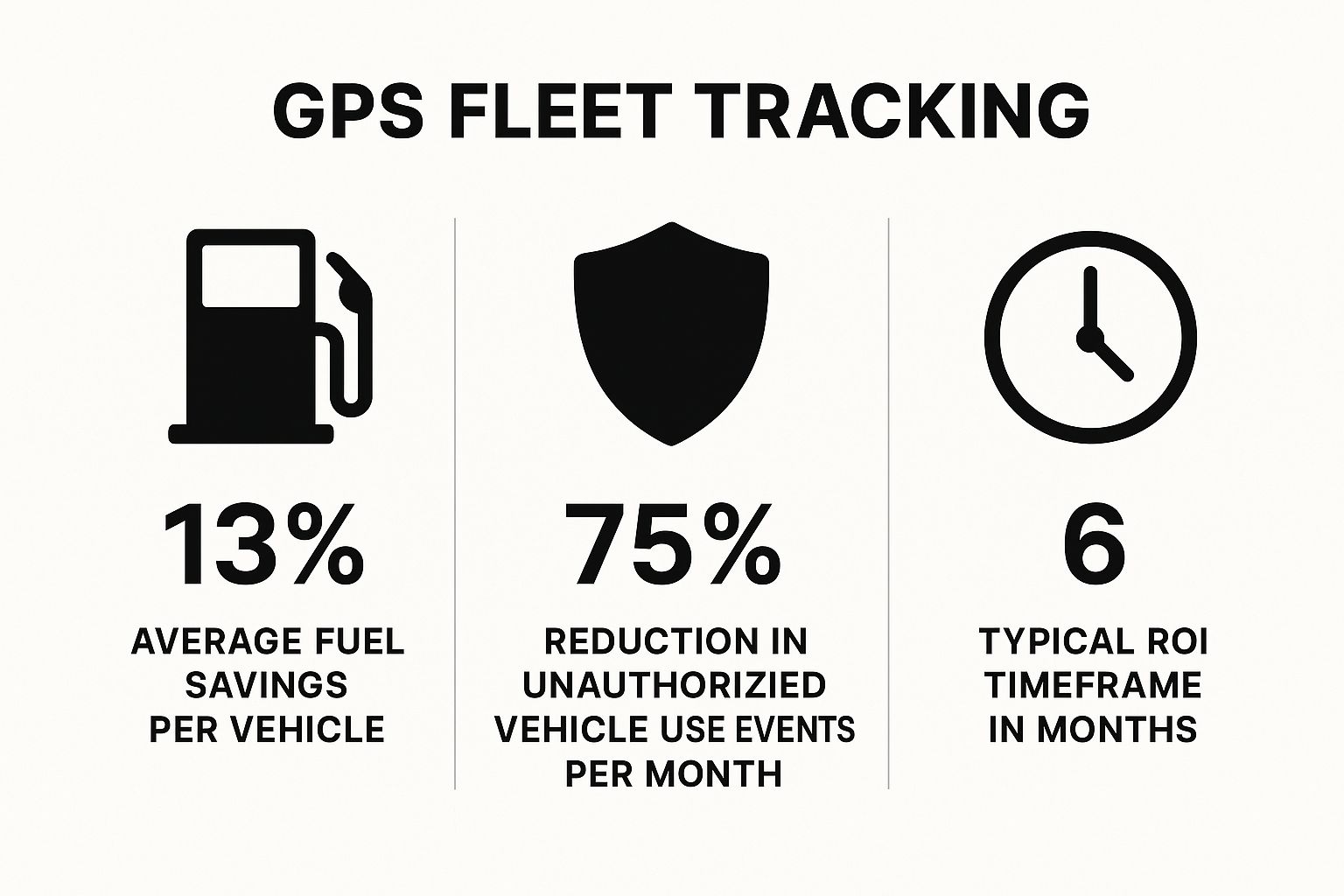
As the data shows, the financial and operational benefits, from significant fuel savings to a rapid ROI, make this technology a cornerstone of modern fleet management.
2. Establish Preventive Maintenance Schedules
Adopting a preventive maintenance schedule is a fundamental fleet management best practice that shifts your operation from a reactive "fix-it-when-it-breaks" model to a proactive strategy of scheduled care. This approach involves performing regular, systematic servicing on vehicles based on mileage, time, or engine hours, rather than waiting for a failure. This ensures that every vehicle in your fleet remains in peak condition, delivering the reliability and safety your clients expect.
For upscale transportation providers, this proactive stance is non-negotiable. An unexpected breakdown with a VIP client en route can be catastrophic for your brand's reputation. By systematically addressing potential issues, you minimize costly downtime, extend the lifespan of your high-value vehicles, and ensure consistent performance. Companies like Frito-Lay have demonstrated the power of this approach, successfully extending their truck life from 10 to 15 years through comprehensive preventive maintenance programs, highlighting its long-term financial benefits.
Key Benefits and Implementation
Implementing a robust preventive maintenance schedule provides a clear framework for vehicle care, maximizing asset value and operational readiness. The primary benefits include:
- Increased Reliability: Drastically reduce unexpected breakdowns and roadside failures.
- Enhanced Safety: Ensure critical systems like brakes, tires, and steering are always in optimal condition.
- Reduced Long-Term Costs: Avoid expensive emergency repairs and extend vehicle lifespans.
- Improved Compliance: Maintain records to easily meet regulatory and safety standards.
Expert Insight: Begin by creating vehicle-specific maintenance checklists based on manufacturer recommendations and your unique operational demands. Utilize fleet management software to automate scheduling and send reminders to your team, ensuring no service interval is ever missed. This digital record-keeping also provides invaluable data for identifying recurring issues.
3. Optimize Fuel Management and Efficiency
Fuel is one of the largest and most volatile operating expenses, often accounting for 20-30% of a fleet's total budget. Effective fuel management involves a multi-faceted strategy to monitor, control, and reduce consumption across all vehicles. By implementing smart fuel-saving practices, fleet managers can significantly boost their bottom line, enhance operational sustainability, and gain a competitive edge in the upscale transportation market.
For a luxury ground transportation provider, this means ensuring every trip is as cost-effective as it is comfortable. For instance, AT&T famously saved $166 million in fuel costs by optimizing routes and curbing vehicle idle time. Similarly, a premium shuttle service can apply these fleet management best practices to reduce the cost per trip for an airport transfer or corporate event, directly improving profitability without compromising the client experience. This strategic approach turns cost control into a key business advantage.
Key Benefits and Implementation
A comprehensive fuel management program combines technology, policy, and training to create a culture of efficiency. The core benefits include:
- Significant Cost Reduction: Lower fuel expenditure directly increases profit margins.
- Reduced Carbon Footprint: Enhance your brand's reputation with more environmentally-friendly operations.
- Improved Budget Accuracy: Gain better control and predictability over a major variable expense.
- Enhanced Vehicle Longevity: Efficient driving habits reduce wear and tear on engines and brakes.
Expert Insight: Implement a fuel card program, like those from WEX or Shell, to track every purchase and prevent unauthorized spending. Combine this with a strict anti-idling policy; a vehicle can waste over half a gallon of fuel per hour while idling, and those costs add up quickly across an entire fleet.
The following video from the EPA's SmartWay program provides valuable tips on how smart driving techniques contribute to significant fuel savings.
4. Develop Comprehensive Driver Training Programs
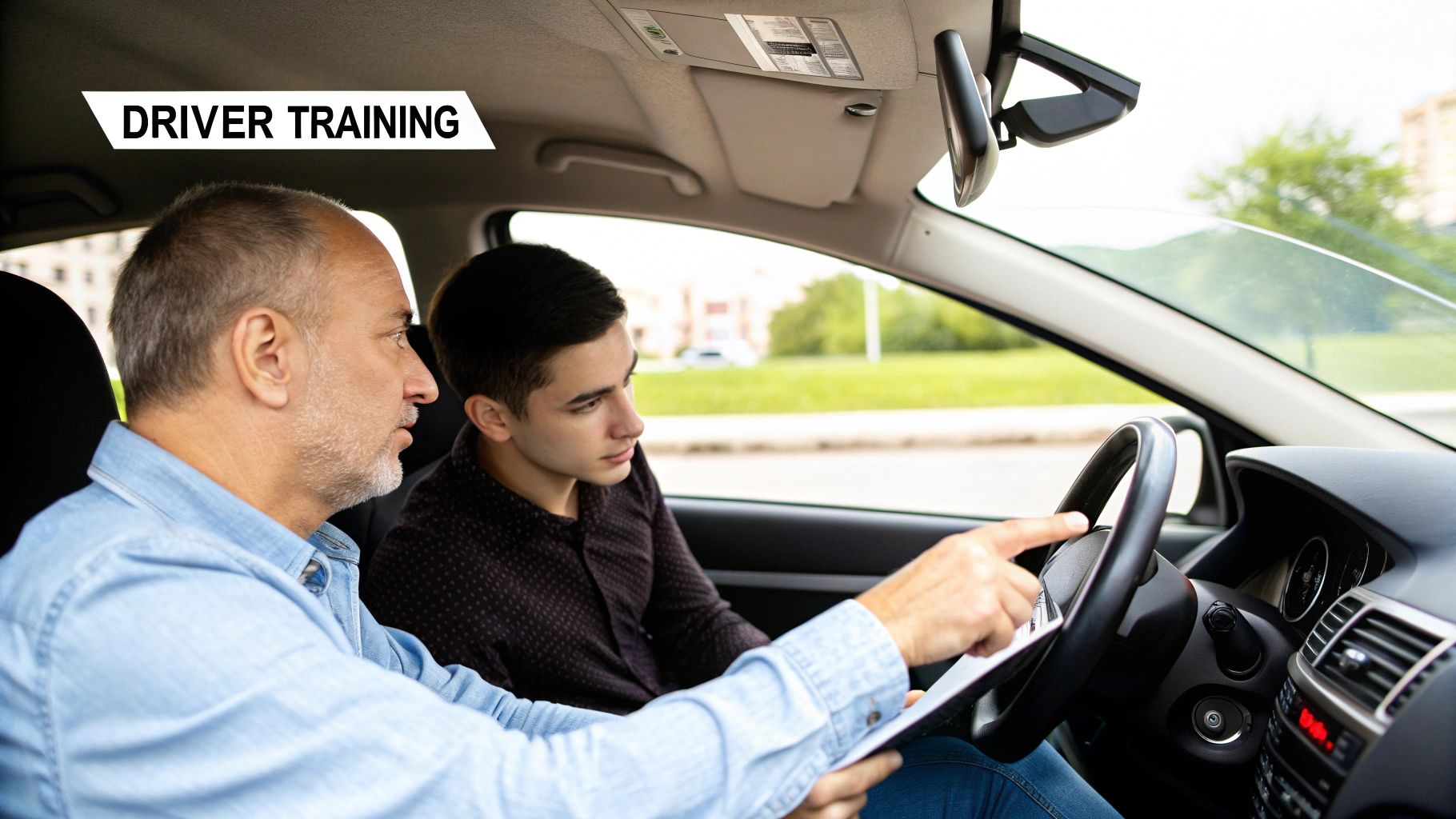
Your drivers are the public face of your company and the operators of your most valuable assets. Implementing comprehensive driver training programs is a critical fleet management best practice that extends far beyond initial onboarding. These programs should foster a culture of safety, efficiency, and continuous improvement by covering everything from advanced defensive driving techniques and vehicle-specific handling to impeccable customer service protocols.
For upscale transportation providers, a highly trained chauffeur is a brand differentiator. A well-designed program ensures drivers not only operate vehicles safely and efficiently but also deliver the premium experience clients expect. Companies like PepsiCo have demonstrated the power of such initiatives with their Safe Roads program, which trained 30,000 drivers and reduced accidents by a remarkable 20%. This proactive approach protects your assets, reputation, and most importantly, your clients.
Key Benefits and Implementation
Effective training is an ongoing process, not a one-time event. It builds skills, reinforces best practices, and adapts to new challenges and technologies. The primary benefits include:
- Enhanced Safety: Significantly reduce preventable accidents and liability risks.
- Improved Fuel Economy: Coach drivers on fuel-efficient habits like smooth acceleration and reduced idling.
- Reduced Maintenance Costs: Promote proper vehicle handling to minimize wear and tear.
- Superior Customer Service: Train chauffeurs on etiquette and client interaction to elevate the passenger experience.
Expert Insight: Leverage telematics data to personalize your training. Create individual driver scorecards to identify specific coaching opportunities, such as frequent harsh braking or speeding. This data-driven approach makes training more relevant and effective, allowing you to address issues before they become costly problems.
By investing in your drivers' skills, you are directly investing in the safety, efficiency, and profitability of your entire fleet operation.
5. Right-Size Your Fleet for Optimal Utilization
One of the most effective fleet management best practices for maximizing ROI is fleet right-sizing. This strategic process involves a detailed analysis of vehicle utilization data to ensure every asset in your fleet serves a distinct purpose and operates at maximum efficiency. By eliminating underutilized vehicles and aligning vehicle types with specific job requirements, you can trim excess capacity and significantly reduce unnecessary ownership costs.
For luxury transportation providers, this means avoiding the expense of maintaining a specialty vehicle, like a premium SUV or a high-capacity sprinter van, that sits idle most of the time. Instead of owning excess vehicles for occasional demand peaks, right-sizing principles guide you toward a leaner, more profitable fleet. Verizon famously demonstrated this by cutting its fleet by 5,000 vehicles, saving over $120 million by focusing on optimal utilization. This approach ensures your capital is invested in assets that actively generate revenue.
Key Benefits and Implementation
Implementing a right-sizing strategy shifts your focus from fleet size to fleet performance. The core benefits for upscale transportation services are clear:
- Reduced Total Cost of Ownership: Lower expenses related to insurance, maintenance, and depreciation for unneeded vehicles.
- Increased Asset ROI: Ensure every vehicle in your fleet contributes effectively to your bottom line.
- Improved Efficiency: Match the right vehicle to the right job, from a luxury sedan for an executive transfer to a larger van for a group event.
- Strategic Capital Allocation: Free up capital from underperforming assets to invest in newer, more desirable vehicles or technology.
Expert Insight: Begin by tracking key utilization metrics like engine hours, miles driven, and idle time for at least one quarter. Set a utilization threshold, such as 60%, and flag any vehicle that falls below it for review. This data-driven approach removes guesswork and justifies difficult decisions about vehicle retention or disposal.
The goal is a meticulously curated fleet where every vehicle is a high-performing asset, perfectly aligned with your clients' demands and your business's financial health.
6. Implement Vehicle Lifecycle Management
Vehicle lifecycle management is a strategic, end-to-end approach to handling vehicles from acquisition and operation through to disposal. This practice moves beyond simple maintenance scheduling to a comprehensive analysis of the total cost of ownership (TCO). By tracking data like depreciation, maintenance expenses, fuel efficiency, and resale values, managers can pinpoint the optimal time to replace a vehicle, ensuring the fleet operates at peak financial efficiency and reliability.
For an upscale transportation provider, this means proactively replacing a luxury sedan or sprinter van before its rising maintenance costs and declining image negatively impact service quality. For example, major rental companies like Hertz and Enterprise master this by replacing vehicles within 18-24 months to maximize resale value while minimizing repair downtime. Adopting this fleet management best practice ensures your fleet remains modern, dependable, and cost-effective throughout its service life.
Key Benefits and Implementation
A well-executed vehicle lifecycle strategy minimizes long-term expenditures and maximizes asset value. The primary benefits include:
- Reduced Total Cost of Ownership: Pinpoint the economic "sweet spot" to replace vehicles before repair costs escalate.
- Improved Fleet Reliability: Minimize unexpected breakdowns and service disruptions by retiring aging assets.
- Maximized Resale Value: Dispose of vehicles at the optimal time to secure the highest possible return.
- Enhanced Budget Forecasting: Plan future acquisitions with greater accuracy based on predictable replacement cycles.
Expert Insight: Begin by establishing clear replacement triggers for different vehicle classes. For instance, a common trigger is when a single repair estimate exceeds 50% of the vehicle's current market value, or when cumulative maintenance costs surpass a predetermined annual threshold. Planning replacements 6-12 months in advance allows for better negotiation and model selection.
7. Ensure Regulatory Compliance and Safety Standards
Maintaining rigorous regulatory compliance and upholding the highest safety standards is a non-negotiable best practice in fleet management, especially for upscale transportation providers. This involves strict adherence to all federal, state, and local regulations, covering everything from driver hours-of-service (HOS) and vehicle maintenance records to driver qualification files. A robust compliance program is the bedrock of a reputable operation, protecting your business from costly fines and legal action while safeguarding your chauffeurs, clients, and the public.
For a luxury fleet, the perception of safety and professionalism is paramount. Adherence to regulations set by bodies like the FMCSA is not just a legal requirement; it's a powerful selling point that builds client trust. For instance, Werner Enterprises achieved a safety rating 20% better than the industry average by implementing a comprehensive safety program. This commitment to compliance directly enhances brand reputation, ensuring clients feel secure and confident in your service, which is a critical differentiator in the high-end market.
Key Benefits and Implementation
Proactively managing compliance turns a potential liability into a competitive advantage. The primary benefits include:
- Reduced Legal Risk: Avoid substantial fines, penalties, and operational shutdowns.
- Enhanced Brand Reputation: Demonstrate a commitment to safety and professionalism, attracting discerning clients.
- Lower Insurance Premiums: A strong safety and compliance record can lead to more favorable insurance rates.
- Improved Driver Retention: A culture of safety and clear guidelines makes for a better, more secure work environment.
Expert Insight: Designate a dedicated compliance officer or team to oversee all regulatory activities. This individual should be responsible for conducting regular internal audits, staying current on legislative changes, and ensuring all documentation, such as driver qualification files and inspection reports, is meticulously maintained and readily accessible.
This proactive stance ensures your fleet not only meets but exceeds industry standards, solidifying your position as a trusted leader in luxury transportation.
8. Leverage Data Analytics and Fleet management Software
Leveraging comprehensive fleet management software is a critical best practice that centralizes operational data, transforming raw numbers into actionable intelligence. These platforms integrate information from telematics, fuel cards, maintenance logs, and driver records into a single dashboard. This unified view allows managers to move beyond isolated metrics and see the interconnectedness of their operations, enabling strategic, data-driven decisions that enhance efficiency and service quality.
For upscale transportation providers, this means having the power to precisely track the total cost of ownership for each luxury vehicle, identify trends in maintenance needs before they cause downtime, and automate time-consuming administrative tasks. For example, PepsiCo utilizes Samsara's fleet management platform across its massive fleet to improve efficiency by 15%, demonstrating how even large, complex operations can achieve significant gains. Similarly, the City of Boston saved $2.1 million by using fleet software for route and asset optimization, a testament to the technology's financial impact.
Key Benefits and Implementation
Implementing a robust fleet management software solution allows you to create a command center for your entire operation, ensuring every decision is backed by data. The primary benefits include:
- Centralized Data: Gain a single source of truth for all fleet-related activities.
- Automated Reporting: Streamline administrative tasks and generate performance reports automatically.
- Predictive Maintenance: Forecast vehicle service needs to minimize unexpected breakdowns.
- Cost Reduction: Identify and eliminate inefficiencies in fuel, maintenance, and asset utilization.
Expert Insight: Before committing to a platform, define your core objectives and Key Performance Indicators (KPIs), such as reducing vehicle downtime or administrative hours. Choose a solution with strong integration capabilities and mobile access. Start by implementing core features first, ensuring all users receive proper training to maximize adoption and ROI.
9. Establish Clear Fleet Policies and Driver Accountability
Creating a robust framework of fleet policies and ensuring driver accountability is a foundational fleet management best practice. This involves developing comprehensive, written guidelines that clearly define acceptable vehicle use, driver responsibilities, safety protocols, and the consequences for non-compliance. A well-defined policy removes ambiguity and sets a professional standard for how company assets are managed and operated, creating a culture of ownership and respect.
For upscale transportation providers, this directly impacts brand reputation, client safety, and financial health. A clear policy ensures every chauffeur understands expectations for vehicle cleanliness, pre-trip inspections, and on-road conduct, which are critical for delivering a premium client experience. Companies like AT&T have demonstrated the power of this approach, reducing unauthorized vehicle use by 40% through a comprehensive fleet policy. This level of control is essential for protecting luxury assets and ensuring consistent service delivery.
Key Benefits and Implementation
Implementing clear policies shifts the dynamic from reactive correction to proactive standard-setting. The primary benefits include:
- Reduced Risk and Liability: Clearly defined procedures for accidents and vehicle use minimize legal exposure.
- Consistent Operational Standards: Ensures all drivers adhere to the same high standards for safety and vehicle care.
- Improved Asset Management: Controls unauthorized use, reduces unnecessary wear and tear, and prolongs vehicle lifespan.
- Enhanced Safety Culture: Promotes a culture where safety is a shared responsibility, not just a manager's concern.
Expert Insight: Involve experienced drivers in the policy development process. Their practical, on-the-ground perspective can help create guidelines that are both effective and realistic, which significantly increases buy-in and compliance across the entire team. Regularly review and update the policy to reflect new regulations and technologies.
Best Practices Comparison Matrix for Fleet Management
| Item | Implementation Complexity 🔄 | Resource Requirements ⚡ | Expected Outcomes 📊 | Ideal Use Cases 💡 | Key Advantages ⭐ |
|---|---|---|---|---|---|
| Implement GPS Fleet Tracking and Telematics | Moderate to High: Requires tech setup, training, and ongoing fees | Hardware (GPS devices), software subscriptions, training | Improved routing, fuel savings (10-25%), theft recovery, better driver insights | Fleet operations needing real-time visibility, theft prevention, and data-driven decisions | Significant fuel & cost savings, enhanced asset control, improved customer service |
| Establish Preventive Maintenance Schedules | Moderate: Scheduling and tracking systems required | Staff or vendor resources, maintenance facilities | Reduced breakdowns (up to 70%), extended vehicle life (20-30%), lower overall costs | Fleets aiming to minimize downtime and extend vehicle lifespan | Greater reliability, safety improvement, warranty compliance, cost control |
| Optimize Fuel Management and Efficiency | Moderate: Requires monitoring tools and driver training | Fuel cards, software for tracking, driver engagement | Fuel cost savings (10-30%), reduced emissions, fraud detection | Fleets with high fuel expenses seeking efficiency and environmental impact reduction | Significant cost savings, improved budgeting, fraud prevention |
| Develop Comprehensive Driver Training Programs | Moderate to High: Training program development and ongoing management | Training materials, instructors, driver time | Accident reduction (20-50%), improved fuel efficiency, safer driving | Fleets focused on safety, compliance, and driver performance | Accident reduction, insurance savings, driver retention, fuel efficiency gains |
| Right-Size Your Fleet for Optimal Utilization | Moderate: Data analysis and planning intensive | Data systems, analytical resources, change management | Cost savings via reduced fleet size, better utilization (70%+), environmental benefits | Fleets with underutilized vehicles or excess capacity | Lower costs, improved asset use, environmental footprint reduction |
| Implement Vehicle Lifecycle Management | High: Requires detailed cost tracking and analysis | Data analytics, financial planning, replacement capital | Optimized replacement timing, reduced long-term costs, maximized resale value | Fleets managing high capital assets with variable life cycles | Cost efficiency, reliable fleet uptime, predictable budgeting |
| Ensure Regulatory Compliance and Safety Standards | Moderate to High: Ongoing monitoring, documentation, and training | Compliance officers, software systems, staff training | Avoidance of fines, improved safety, maintained operating authority | Commercial fleets subject to FMCSA and DOT regulations | Legal protection, lower risk, better safety records, competitive advantage |
| Leverage Data Analytics and Fleet Management Software | High: Software integration and user training needed | Software subscriptions, IT support, training | Improved decision-making, administrative efficiency (20-30% time savings), cost control | Fleets seeking centralized data and predictive insights | Enhanced efficiency, automation, scalability, actionable insights |
| Establish Clear Fleet Policies and Driver Accountability | Low to Moderate: Policy development and enforcement required | Management time, communication tools, training | Reduced unauthorized use, improved driver behavior, legal protection | Fleets needing consistent rules and driver accountability culture | Clear expectations, legal safeguards, vehicle care improvement |
Integrating Best Practices for a Flawless Fleet
Navigating the landscape of premier transportation requires more than just high-end vehicles; it demands operational excellence. The journey through the top fleet management best practices reveals that success is not found in a single solution but in an interconnected system of strategies. Each pillar, from the granular data of telematics to the broad vision of vehicle lifecycle management, contributes to a more resilient, efficient, and profitable operation.
Adopting these practices is about transforming your fleet from a simple collection of assets into a dynamic, intelligent system. Preventive maintenance schedules prevent costly downtime, ensuring your vehicles are always ready to deliver a pristine experience. Comprehensive driver training and clear accountability policies protect your most valuable assets, your drivers and your brand reputation, while simultaneously enhancing passenger safety and satisfaction. This integrated approach ensures every component of your fleet operations works in harmony.
From Strategy to Execution: Your Next Steps
The true value of these insights lies in their application. Moving forward, the goal is to weave these principles into the very fabric of your daily operations.
- Prioritize a Technology Audit: Start by evaluating your current technology stack. Are you fully leveraging your fleet management software? Do your telematics provide the actionable data needed to optimize routes, monitor driver behavior, and reduce fuel consumption? Identifying these gaps is the first step toward building a data-driven fleet.
- Focus on People and Policy: Technology is only half the equation. Review and refine your driver training programs and fleet policies. Fostering a culture of safety, accountability, and professionalism is paramount for an upscale service where the client experience is everything.
- Embrace Continuous Improvement: The world of fleet management is not static. Regulations change, technology evolves, and market demands shift. Treat these best practices not as a one-time checklist but as a continuous cycle of implementation, analysis, and refinement.
Ultimately, mastering these fleet management best practices is about a commitment to excellence. For an upscale transportation provider, this commitment directly translates into unparalleled reliability, impeccable safety, and the consistent delivery of a luxury experience. By strategically integrating these proven methods, you fortify your operations, reduce costs, and solidify your position as a leader in the premium transportation market, ensuring every journey is flawless.
Ready to experience the result of meticulous fleet management firsthand? Max's Luxury Rides Inc. embodies these principles, ensuring every vehicle is perfectly maintained and every chauffeur is impeccably trained for a safe, reliable, and luxurious journey. Book your next premium ride with a company that masters the art of transportation at Max's Luxury Rides Inc..