
When it comes to seniors and their families in Chicago, finding reliable transportation isn't just a convenience—it's a lifeline. It’s what keeps them independent and connected to the world around them. The good news is, Chicago offers a solid network of solutions, from public programs with discounted fares to private companies that provide truly personal, door-to-door assistance. This guide will walk you through the options for senior transportation services chicago so you can navigate them with confidence.
Why Reliable Senior Transportation in Chicago Matters
Mobility is so much more than getting from point A to point B. It's about preserving a person's quality of life. For many older adults, getting behind the wheel is no longer a safe or practical choice, but the need to get to doctor's appointments, the grocery store, and social events doesn't just disappear. Having access to dependable rides is directly linked to better health outcomes and keeps feelings of isolation at bay.
In a big, busy city like Chicago, tackling public transit or navigating traffic can feel overwhelming. This is where specialized services step in. They bridge the gap, providing a crucial link that helps seniors stay active and engaged in their communities. These services aren't just a simple convenience; they are an essential part of aging with dignity and independence.
The Challenge of Staying Connected
Think about it: without a consistent way to get around, everyday errands become huge hurdles. A missed doctor's visit can snowball into a serious health issue. Not being able to visit friends or join a community group can lead to profound loneliness. This is precisely why dedicated senior transportation services are so invaluable—they are built from the ground up with the specific needs of older adults in mind.
These services are built on a foundation of safety, reliability, and compassion, transforming transportation from a source of stress into a seamless part of daily life.
Key Benefits of Specialized Transit
Opting for a service designed for seniors brings some clear advantages that you just won't find with standard transportation:
- Enhanced Safety and Assistance: Drivers are often trained to help passengers who have mobility challenges. This means getting help from the front door, into the vehicle, and all the way to their destination.
- Accessibility: Vehicles are usually equipped with features like ramps or lifts to accommodate wheelchairs and walkers, making the ride comfortable and stress-free for everyone.
- Peace of Mind: For family members, knowing a loved one has a secure and reliable ride is a huge relief, especially when it comes to critical medical appointments.
- Social Engagement: When getting around is easy, seniors are more likely to join in on social activities, which is absolutely vital for their mental and emotional well-being.
The infographic below really captures the essence of finding dependable rides that empower seniors to navigate their city.
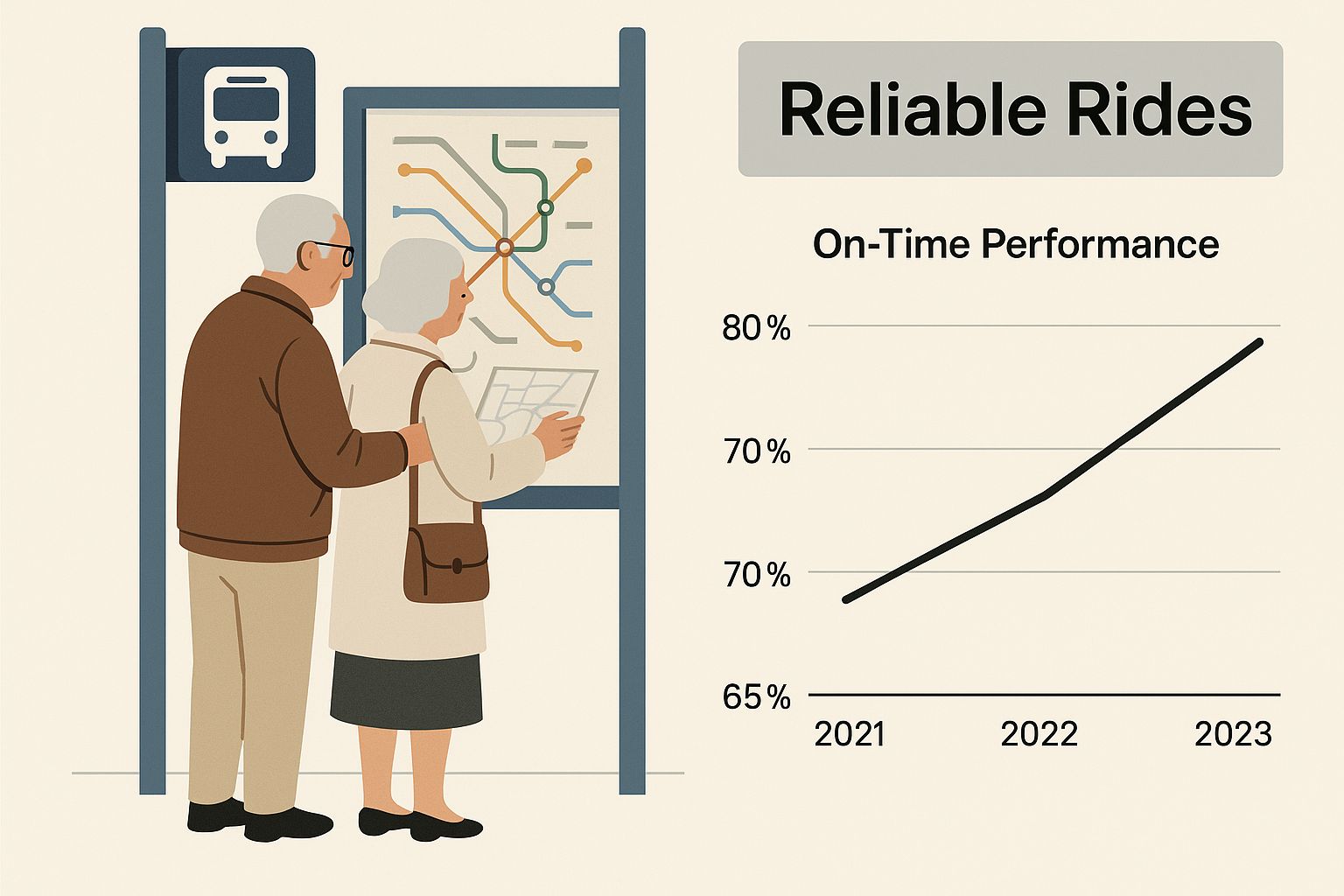
This image highlights just how important accessible transit maps and thoughtfully designed services are for helping older adults plan their journeys. Now, let’s dig into the specific types of services available.
Understanding Your Senior Transit Options in Chicago
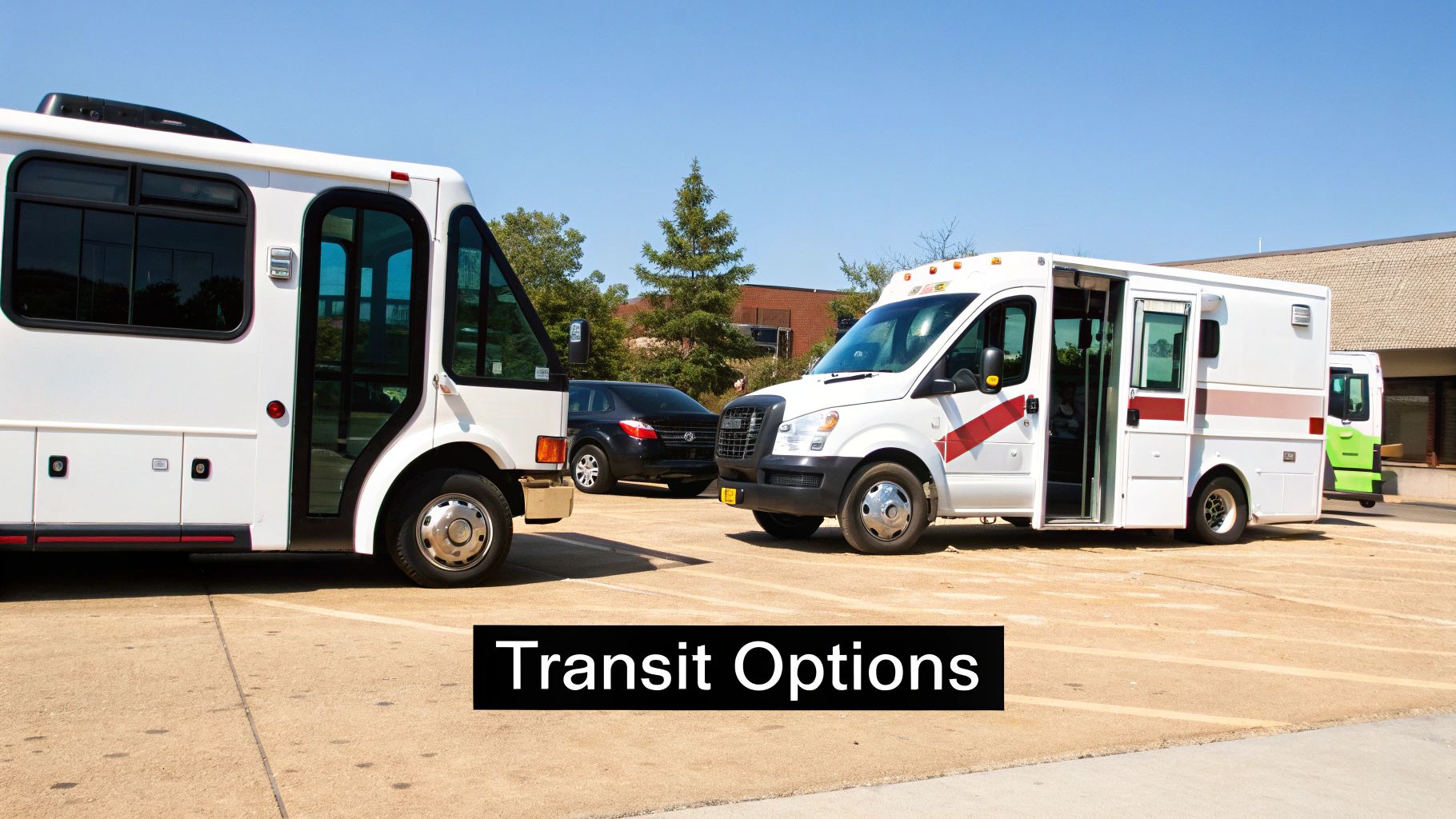
When it comes to senior transportation services in Chicago, there’s no single solution that works for everyone. The landscape is broad, with a spectrum of choices designed for different needs, budgets, and levels of independence. Think of it like choosing how to get around on vacation—sometimes a public bus is perfect, and other times, a private car is the only way to go.
To find the right fit for yourself or a loved one, you first need to understand what's out there. Some services are built for active, independent seniors, while others provide door-to-door assistance for those who need a helping hand. Let’s break down the main categories to see which one makes the most sense for your situation.
Public Transit For Independent Seniors
For seniors who are still active and comfortable getting around on their own, Chicago’s public transit system is a fantastic resource. The Chicago Transit Authority (CTA) and the Regional Transportation Authority (RTA) offer a massive network of bus and train routes that cover the city and suburbs.
This is the ideal choice for anyone who can confidently walk to and from stations, read a schedule, and board vehicles without assistance. Plus, the CTA and RTA offer reduced-fare programs for seniors, making it an incredibly affordable way to stay connected.
Still, there's a significant hurdle: public transit can be tough to navigate. It's estimated that for 50% of Americans aged 65 and older, public transportation is simply inaccessible, which can lead to isolation. Thankfully, Chicago has programs like PACE Paratransit to fill those gaps. You can find more details about these programs and see how the city is working to improve mobility for everyone.
Specialized Paratransit Services
So, what happens when the CTA bus or 'L' train isn't an option? That’s where paratransit services come in. These are specialized, door-to-door or curb-to-curb shared rides designed for people whose health conditions or disabilities prevent them from using the standard fixed-route system.
Paratransit is a crucial safety net. It’s designed to ensure that a physical limitation doesn’t become a barrier, giving seniors a reliable way to access essential services in their community.
In the Chicago area, PACE Paratransit is the main provider. A few things to know:
- Eligibility is Required: You can't just hop on. Riders need to apply and be certified as eligible under the Americans with Disabilities Act (ADA).
- Book in Advance: Trips aren't on-demand. You usually need to schedule your ride at least a day ahead of time.
- It's a Shared Ride: You’ll likely be sharing the vehicle with other passengers, which means the route and timing can vary.
This service is a lifeline for so many, providing essential transport to medical appointments, community centers, and other vital destinations.
Non-Emergency Medical Transportation (NEMT)
While it might sound similar to paratransit, Non-Emergency Medical Transportation (NEMT) is a different beast altogether. Its mission is singular: getting people to and from their healthcare appointments safely. This includes everything from a routine doctor's visit to physical therapy, dialysis, or a ride home after a hospital stay.
NEMT providers are equipped for a higher level of care. Their vehicles are typically wheelchair accessible, and drivers are trained to provide more hands-on assistance. It's a critical service for seniors with significant mobility challenges who need a stable, supportive environment for their health-related travel. Better yet, these services are often covered by Medicare or Medicaid, which can make them a very accessible option.
Private Companion And Livery Services
For the ultimate in flexibility, comfort, and personal attention, private companion and livery services are the gold standard. Unlike the shared-ride models, these services provide exclusive, pre-booked transportation that’s built entirely around your schedule and needs. This is where a company like Max's Luxury Rides Inc. shines.
These private services are perfect for:
- Social Outings: Finally make that trip to visit family, see a show, or have a nice dinner out.
- Running Errands: A driver can take you shopping and even wait or help with your bags.
- Accompanied Appointments: Some companies offer "door-through-door" service, where the driver doesn't just drop you off—they help you get inside and checked in for your appointment.
This is definitely the most premium option, but the value is in the peace of mind, one-on-one support, and total control over your itinerary. It’s the perfect solution when convenience and personal care are the top priorities.
Comparing Chicago Senior Transportation Options
To help you visualize the differences, this table offers a quick comparison of the main senior transportation categories in Chicago. It’s a simple way to see which service might be the best fit for different needs.
| Service Type | Best For | Cost Structure | Typical Use Case |
|---|---|---|---|
| Public Transit (CTA/RTA) | Independent, active seniors on a budget. | Low (Pay-per-ride or pass with senior discounts). | Daily errands, social visits, exploring the city. |
| Paratransit (PACE) | Seniors with disabilities preventing public transit use. | Subsidized, low-cost fares per trip. | Essential travel like medical appointments or to senior centers. |
| NEMT Services | Seniors with specific medical transport needs. | Often covered by Medicare/Medicaid; private pay options exist. | Doctor's visits, dialysis, physical therapy, hospital discharge. |
| Private Livery/Companion | Seniors who need personal assistance and flexibility. | Premium (Hourly rates or flat fees per trip). | Social events, errands, accompanied appointments, airport travel. |
Each option plays a vital role in Chicago's senior transportation network. By understanding their unique strengths, you can make a more informed decision that promotes safety, independence, and a better quality of life.
A Look at Key Providers and Public Programs
Knowing the types of transportation available is one thing, but knowing exactly who to call when you need a ride is what really counts. Chicago offers a healthy mix of public programs and private providers, and each one fits a different need. This is where we move from theory to a practical list of options.
Let's break down the main players in the senior transportation services chicago network. We’ll cover everything from the city's public transit system to specialized paratransit and private companies that add a personal touch. By the end, you'll have a clear map of the resources at your fingertips.
Chicago's Public Transportation Pillars
For many active seniors, the city's public transit system is the foundation for staying mobile and connected. If you're comfortable navigating the system on your own, these options are incredibly affordable and cover a huge area.
Chicago Transit Authority (CTA): The CTA is the workhorse of city transit, running the 'L' trains and a massive bus network. Every bus and train is ADA-compliant, making it a reliable choice for seniors who can get around independently. Best of all, the RTA Reduced Fare Permit lets seniors 65 and older ride for a fraction of the standard cost.
Regional Transportation Authority (RTA): Think of the RTA as the coordinator behind the scenes. It's the agency that manages the CTA, Metra, and Pace, and it’s who you’ll go through to get that all-important Reduced Fare Permit that makes the whole system so budget-friendly for seniors.
These services are fantastic for day-to-day travel, but they do require you to get to and from the stop or station yourself. For anyone needing more hands-on help, that's where specialized services come in.
PACE Paratransit: Your Lifeline for Essential Travel
What happens when fixed-route buses and trains just aren't an option because of a disability or health issue? That’s exactly what PACE Paratransit is for. This isn't a taxi service you hail on the street; it's a critical, pre-scheduled program that provides essential curb-to-curb rides.
Before you can use PACE, you have to apply and be certified as eligible under the Americans with Disabilities Act (ADA). Once you're approved, you can book trips—usually a day ahead—for things like doctor’s appointments or going to the local senior center. It covers the entire Chicago metro area, making it a true lifeline for thousands.
PACE Paratransit is more than just a ride; it’s a promise of accessibility. It ensures that a mobility challenge doesn't mean a senior has to lose their connection to the community or vital healthcare.
Private Services: When You Need Personalized Care
While public transit offers broad access, private transportation services provide a level of flexibility and personal care that you simply can't get from a city bus. These providers are the perfect solution when you need direct, door-through-door support.
A company like Max's Luxury Rides Inc., for example, is about much more than just getting from point A to point B. They offer a premium service where the driver becomes a helping hand. This could mean:
- Door-Through-Door Assistance: The driver doesn't just wait at the curb. They can help you from inside your home, into the car, and all the way to the check-in desk at your appointment.
- A Companion for Errands: Need to go grocery shopping? The driver can come with you, wait while you shop, and help carry the bags back inside.
- Guaranteed Comfort and Safety: You're not getting into a random car. Private services use impeccably maintained vehicles, with wheelchair-accessible options often available, for a journey that’s both comfortable and secure.
This is the kind of individualized attention that truly sets private senior transportation services in Chicago apart. It turns what could be a stressful trip into a pleasant and worry-free experience, giving invaluable peace of mind to both the senior and their family.
How Regional Authorities Shape Senior Mobility
When you book a local dial-a-ride or see a new accessible bus on the road, it’s easy to think of it as a standalone service. But behind many of the senior transportation services in Chicago, there's a powerful framework managed by regional authorities. These organizations are the unsung architects of senior mobility, working behind the scenes to keep the entire system funded, coordinated, and always improving.
Think of the Regional Transportation Authority (RTA) as the central nervous system for senior transit. It doesn't just run buses and trains; it directs crucial resources where they're needed most. This support allows smaller, specialized providers to effectively serve seniors and people with disabilities across the sprawling Chicago metro area. This background work is what turns government policy into the reliable ride that shows up at your door.
The Power of Strategic Funding
One of the most significant ways the RTA shapes senior mobility is by managing federal funding programs. A prime example is the Section 5310 program, officially called "Enhanced Mobility of Seniors and Individuals with Disabilities." The RTA takes these federal dollars and awards them as grants to non-profits and local governments that provide essential transportation. That funding might buy a new wheelchair-accessible van, help cover fuel costs for a dial-a-ride service, or even pay for a mobility manager who helps seniors navigate their options.
For example, the RTA’s management of the Section 5310 program is vital for distributing federal funds to organizations offering specialized services, like those essential dial-a-ride options. Their work also involves constantly updating the Human Services Transportation Plan (HSTP) to patch service gaps and improve coordination, a process that relies heavily on public input to meet real-world needs. For a closer look at how these efforts work, you can explore how the RTA is enhancing local transportation through strategic initiatives.
Without this strategic investment, many community-based providers simply couldn't keep up with demand, leaving big holes in the transportation network.
This funding is more than just a line item on a budget; it's a direct investment in independence, health, and community connection for thousands of older adults in the Chicago region.
Planning for a More Accessible Future
Beyond managing money, regional authorities are tasked with looking ahead. They don't just solve today's problems; they anticipate future challenges and build long-term strategies to meet them. Their main tool for this is the Human Services Transportation Plan (HSTP).
The HSTP is basically a roadmap for senior and disabled transportation. It’s created through a deep-dive analysis of the region to answer some really important questions:
- Where are the biggest service gaps?
- What are the most common barriers preventing seniors from getting around?
- How can we get different providers to work together more efficiently?
By identifying these needs, the RTA can channel funding and support to projects that will make the biggest difference. It's a proactive approach that ensures the network of senior transportation services in Chicago keeps evolving right alongside the community, building a more accessible and fair system for everyone.
Choosing the Right Transportation Service for You

Picking a transportation service isn't just about booking a ride; it's about finding a partner you can trust. It’s a personal decision that hinges on your specific needs, comfort, and, above all, safety. Chicago has a lot of options, so the real trick is matching what a service offers with what the rider truly requires.
Don't let the number of choices overwhelm you. If you break down the decision into a few key areas, you can get a really clear picture of what you’re looking for. That clarity will give you the confidence to ask the right questions and find a provider that helps maintain independence, not hinder it.
Assess Your Mobility and Assistance Needs
First things first: take a practical look at mobility. This is the bedrock of your decision because it directly impacts the type of vehicle and driver support you’ll need. Think about the entire trip, from the front door to the doctor's check-in desk.
The most important distinction is between someone who can walk (ambulatory) and someone who uses a wheelchair. Can the rider get around on their own, maybe with a cane or walker? Or is a vehicle with a ramp or lift a non-negotiable? Answering that one question will immediately narrow your search.
From there, consider how much hands-on help is needed. Services generally fall into one of these categories:
- Curb-to-Curb Service: This is the most basic level. The driver pulls up to the curb, and that's it. It’s a good fit for seniors who are fully independent and just need the ride itself.
- Door-to-Door Service: Here, the driver will come to the front door to offer an arm and help the passenger get safely into the vehicle, and they'll do the same at the destination.
- Door-Through-Door Service: This is the most comprehensive support. The driver provides assistance from inside the home, helps them all the way into the destination (like a doctor's office), and can even make sure they're checked in.
Evaluate Travel Frequency and Budget
Once you've got the physical needs sorted, it's time to think about the logistics. How often are we talking? Daily trips for errands, a few times a week for social outings, or just occasional rides for medical appointments? This will help you decide if a simple pay-per-ride option works or if you need something more flexible.
Of course, budget plays a huge role. Public options like the CTA or PACE Paratransit are very affordable, but they often require booking far in advance and offer less flexibility. Private services are an investment, but that investment buys you convenience, personalized attention, and reliability—which can be priceless for an important appointment.
Try to think of your transportation budget not just as a cost, but as an investment in safety, dependability, and your own peace of mind. The goal is to find that sweet spot between affordability and the level of service you actually need.
Key Questions to Ask Potential Providers
With a clear list of your needs, you’re ready to start vetting companies. The way they answer your questions will tell you everything you need to know about their professionalism and commitment to their clients. A good, reputable provider will welcome your questions and have clear answers ready.
Here are the essential questions you should be asking any senior transportation services in Chicago:
- Driver Screening and Training: "What kind of background checks do you run? What specific training do your drivers have for helping seniors or people with mobility challenges?"
- Insurance and Licensing: "Can you show me proof that your company and vehicles are fully licensed and insured for commercial transport here in Chicago?"
- Vehicle Safety and Maintenance: "How often are your vehicles inspected? What's your maintenance schedule for things like wheelchair lifts?"
- Booking and Cancellation Policies: "How much notice do I need to give to book a ride? What happens if I need to cancel or reschedule?"
- Handling Delays or Emergencies: "What's the protocol if a driver is running late? How do you handle unexpected problems or emergencies during a trip?"
By asking these pointed questions, you shift from just being a customer to being an informed advocate for yourself or your loved one. The right service won't just get you from point A to point B; they'll provide the kind of compassionate, reliable support that makes every trip a positive experience.
Putting It All Together: Your Next Steps
Feeling informed is one thing; feeling confident enough to act is another. By now, you should have a much clearer picture of how to approach senior transportation in Chicago. It really boils down to three key things: knowing exactly what you need, understanding what’s out there, and asking the right questions.
Think of it like planning any important trip. First, you figure out where you're going and what you need to pack—that's assessing your mobility and assistance requirements. Then, you decide how to get there, whether it's by train, plane, or car. In this case, that means choosing between public transit, a rideshare, or a specialized private service. Finally, you check the reviews and safety ratings before you book.
Your Action Plan for Arranging Rides
To help you move from planning to doing, here's a straightforward checklist. This isn't just a summary; it's your starting point for arranging safe, reliable rides for yourself or someone you care about.
Pinpoint Your Needs: Grab a notepad and jot down the specifics. Are we talking about someone who walks freely, uses a walker, or needs a wheelchair-accessible vehicle? What kind of assistance is necessary? Think about the usual destinations—doctor's offices, grocery stores, social events.
Look into Public Transit: If you or your loved one qualifies, get the ball rolling on applications for the RTA Reduced Fare Permit or PACE Paratransit. These programs are the backbone of affordable senior mobility in the city.
Investigate Private Services: For those times when you need more flexibility or hands-on assistance, reach out to a trusted local provider like Max's Luxury Rides Inc. Don't be shy—ask them all the important questions we covered about their drivers, insurance, and vehicle maintenance.
Have the Conversation: Talk it over. Whether it's with your spouse, your kids, or a caregiver, getting on the same page is crucial. A team approach makes everything from booking to coordinating the ride so much simpler.
Taking the time to get informed is the single most important thing you can do. By following these steps, you're not just finding a ride; you're taking control and ensuring transportation is a source of freedom, not a barrier.
Have Questions? We Have Answers.
Figuring out senior transportation for the first time can feel a little overwhelming. You're not alone. We've gathered some of the most common questions we hear from families across Chicago to give you clear, straightforward answers. Think of this as your starting point for making confident transportation choices.
What’s the Difference Between “Curb to Curb” and “Door to Door”?
This is probably one of the most critical questions to ask, as the answer directly impacts the level of assistance you'll receive.
Curb-to-curb service is exactly what it sounds like. The driver will pull up to the curb at your pickup location and drop you off at the curb of your destination. It's up to you to get from your front door to the car and from the car into the building.
Door-to-door service provides a helping hand. The driver will come to your door, assist you to the vehicle, and make sure you're safely at the entrance of your destination before they leave. This is a great choice for anyone who wants an extra layer of support and peace of mind.
There's even a third level offered by some private companies called "door-through-door" service. Here, the driver can actually escort you inside the building—for instance, helping you get checked in at a doctor's office. It’s the most comprehensive, hands-on support you can find.
How Far in Advance Do I Need to Book a Ride?
This really depends on the type of service you're using, so it pays to plan ahead. If you're using a public option like PACE Paratransit, you'll almost always need to schedule your trip at least a day in advance. They generally don't accommodate same-day requests.
Private car services are often more flexible. While it's always smart to book ahead for important dates, they can sometimes handle last-minute calls if a driver is available. Just be sure to ask about their specific booking and cancellation rules when you call.
A good rule of thumb? The more critical the appointment, the earlier you should book. It's the best way to avoid any last-minute stress and know your ride is locked in.
Are There Any Volunteer Driver Programs in Chicago?
Absolutely. Chicago has a number of fantastic non-profits and community groups that run volunteer driver programs. These are powered by generous local volunteers who use their own cars to help seniors get to appointments, go grocery shopping, or attend social events.
Because they're volunteer-based, these services are often very low-cost or even free, which can be a huge help. The only catch is that availability might be limited depending on where you live and how many volunteers are in your area. Your local senior center or the Area Agency on Aging is the perfect place to start looking for a program near you.
When you need guaranteed reliability, exceptional comfort, and true door-through-door service, Max's Luxury Rides Inc. is ready to serve. We specialize in providing a professional black car experience designed specifically for the needs of seniors throughout the Chicago area. Learn more about our commitment to safe and comfortable senior transportation.